The Brevard Symphony Orchestra, founded 1954
Started in a Melbourne living room as a chamber group, the Brevard Symphony Orchestra has performed continuously for over seventy years. Here's the founding, the growth, and the role of a small-city orchestra in a county that didn't seem to need one.
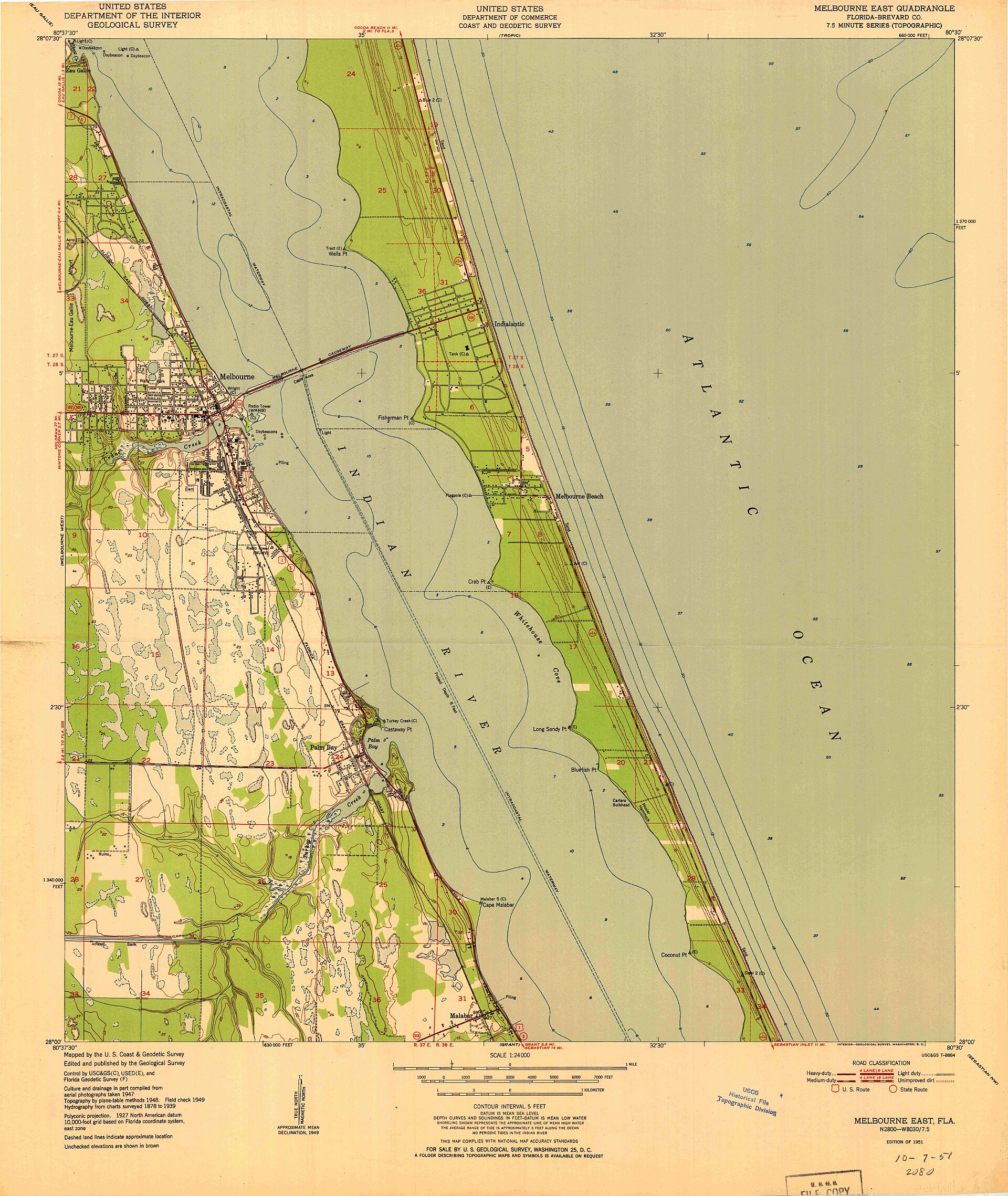
The Brevard Symphony Orchestra, founded in 1954 by a small group of local musicians and music teachers, has performed continuously in Melbourne for more than seventy years. It’s a fully professional regional orchestra by modern standards, with paid musicians, a permanent conductor, a season of six to eight subscription concerts plus pops and educational programs, and an annual budget in the low seven figures. For a county the size of Brevard (about 630,000 people across a long coastal strip), supporting a sustained professional orchestra is a notable institutional achievement.
This article walks the founding and the path to where the BSO is now.
The 1954 founding
The orchestra was founded in 1954 by Maria Tunicka, a Polish-born violinist and music educator who had emigrated to the United States after WWII and settled in Brevard County in the early 1950s. Tunicka and a small group of fellow musicians, mostly local music teachers and serious amateur players, organized a chamber orchestra that initially performed in private homes and small church spaces in Melbourne.
The orchestra incorporated formally as the Brevard Symphony Orchestra in 1954 under Florida’s nonprofit corporations act. The first formal public concert was held in late 1954 at a Melbourne church. The program included Mozart, Vivaldi, and a Bach concerto. The audience was about 100 people.
Tunicka served as the orchestra’s first conductor through the mid-1960s. The orchestra grew slowly through that decade, adding players, lengthening programs, and gradually shifting from a chamber-orchestra model to a full symphony orchestra capable of the standard Romantic and early modern repertoire.
The 1960s and 1970s
The orchestra’s growth tracked Brevard’s general postwar expansion. As Brevard’s population grew from 23,000 in 1950 to 230,000 by 1970, the audience for classical music grew correspondingly. The Apollo-era influx of engineers and scientists into Brevard County included many people who valued symphonic music and were willing to support an orchestra financially.
By the late 1960s the BSO had stabilized at a paid musician core (about 30 to 40 contracted players for major performances), a small staff, and a regular season at venues in Melbourne and occasionally Cocoa or Titusville. The orchestra became a member of the American Symphony Orchestra League (now the League of American Orchestras) and began participating in standard regional orchestra programming networks.
The first major artistic director after Tunicka was Maria Tunicka herself through 1964, then a sequence of guest conductors and shorter-tenure music directors through the 1970s. The orchestra hired its first long-tenure professional music director in the early 1980s.
The Henegar Center as home
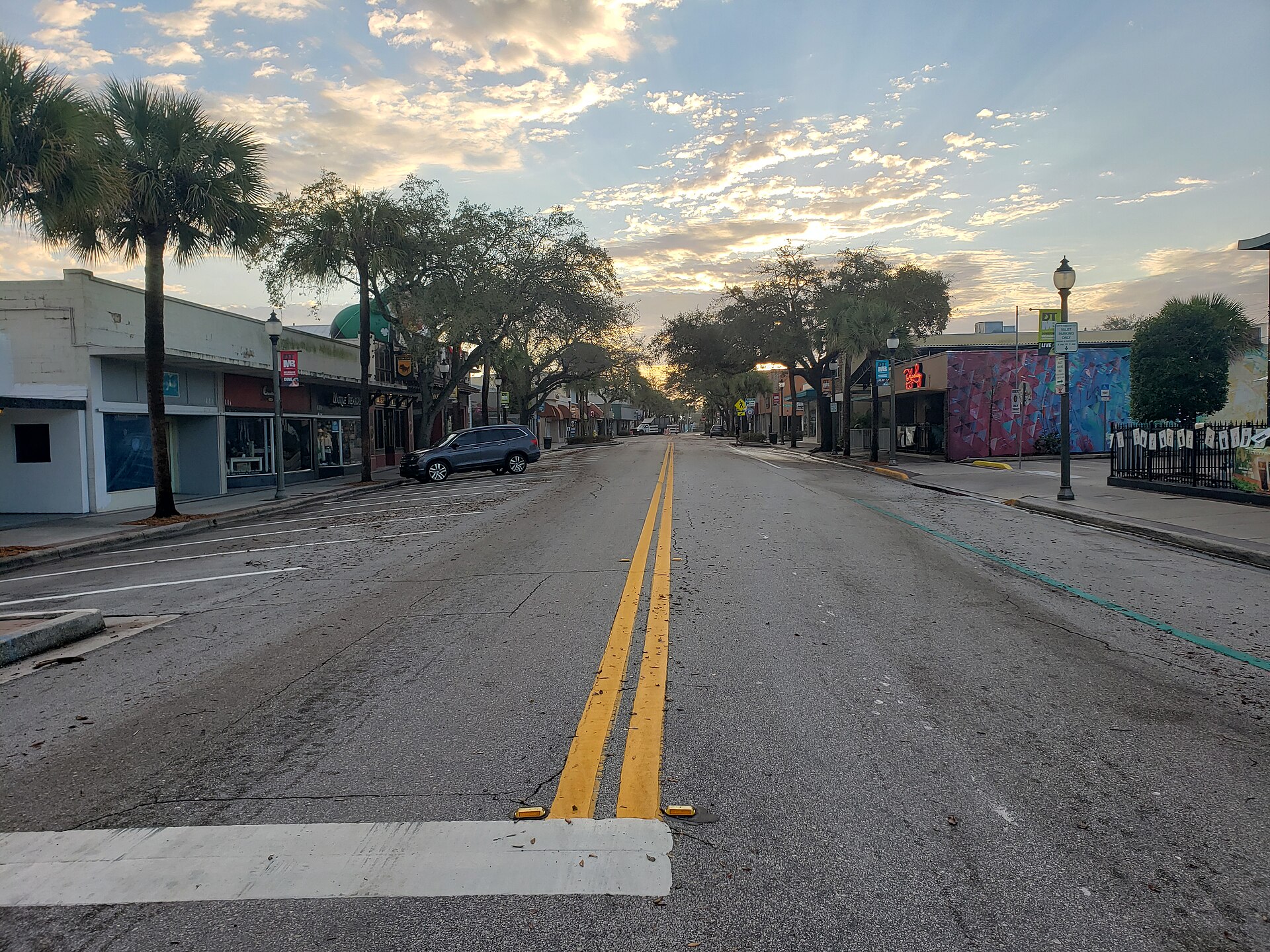
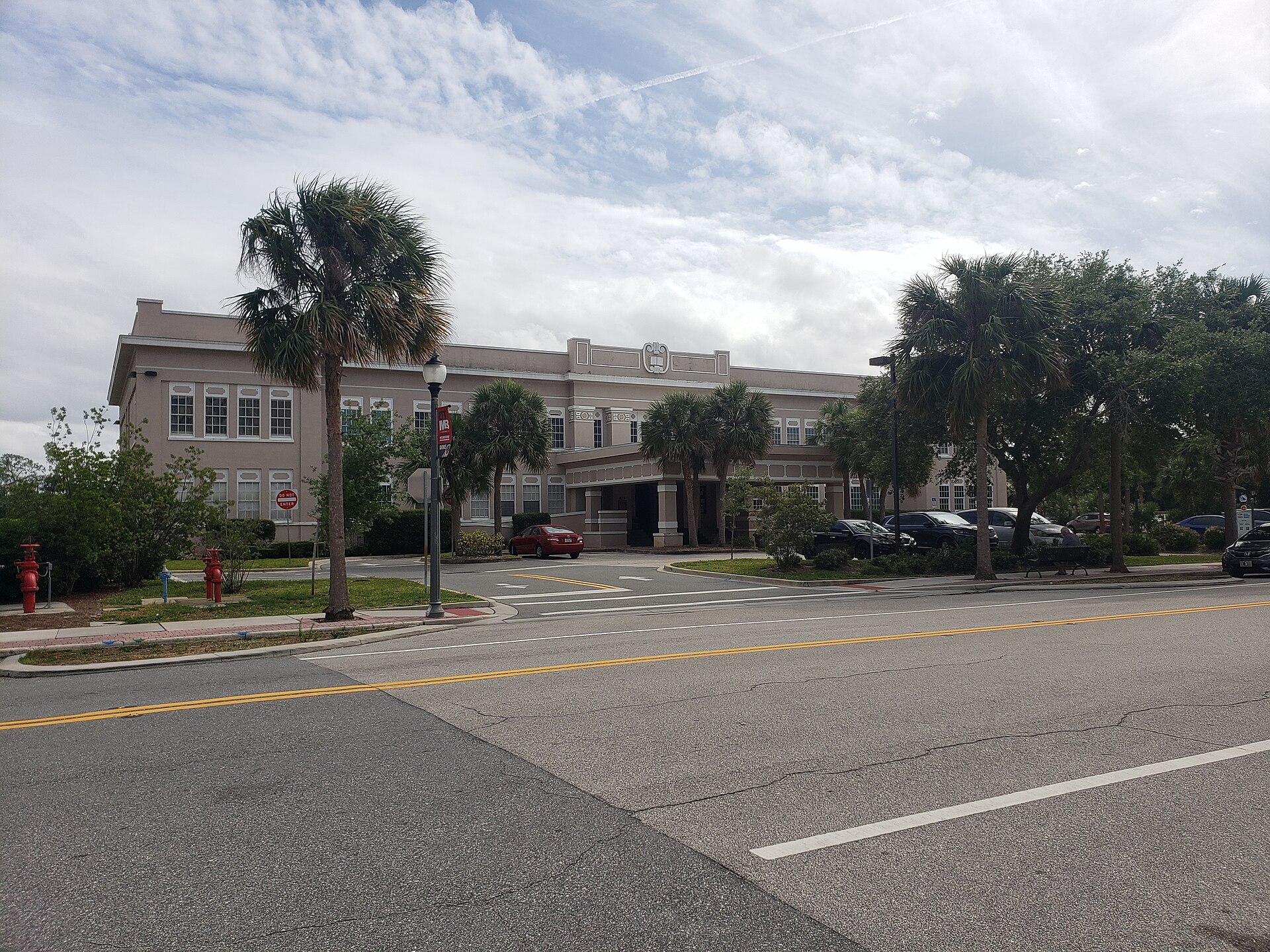
The BSO’s modern history is closely tied to the rehabilitation of the Henegar Center for the Arts. Before the Henegar’s 1995 reopening as a performing-arts venue, the BSO had performed in school auditoriums (the King Center for the Performing Arts, opened 1988 at what’s now Eastern Florida State College in Melbourne, became a partial home for the BSO from 1988 forward), church spaces, and various ad hoc venues across the county.
The Henegar Center’s 580-seat main theater offered a suitable mid-size venue with reasonable acoustics for a regional orchestra. The BSO became a regular tenant. By the late 1990s the BSO was performing most of its main-season concerts at the Henegar.
The relationship has continued. As of 2026 the BSO’s primary venue remains the Henegar, with occasional larger-scale concerts at the King Center (which seats roughly 2,000) for higher-profile performances.
Current operations
The BSO’s current configuration:
- Music director: Christopher Confessore (joined the BSO as music director in the early 2010s).
- Players: approximately 75 contracted musicians for full orchestral concerts. Most are professionals based in Brevard and surrounding counties; some travel from Tampa, Orlando, and Daytona for performances.
- Season: 6 to 8 subscription concerts per year, plus a holiday pops program, plus educational and outreach programs.
- Budget: roughly $1.5 million to $2 million annually.
- Audience: typical subscription concert attendance 500 to 700. Pops concerts and larger-venue performances 1,200 to 1,800.
Revenue is roughly 50% ticket sales, 30% donor giving (individual and corporate), 15% grants (Brevard County, state, and federal arts grants), and 5% other. The corporate giving share has been historically supported by major Brevard aerospace employers (Harris/L3Harris, Northrop Grumman, others).
Repertoire and programming
The BSO’s repertoire is typical of a mid-size American regional orchestra: standard symphonic literature (Beethoven, Brahms, Tchaikovsky, Mahler in smaller orchestrations), plus regular programming of newer American works, plus the occasional commissioned piece. Guest soloists range from established mid-career professionals to occasional national-tier names.
The orchestra has commissioned new work over the years, including pieces specifically celebrating Brevard County milestones. The pops programming includes the traditional Pops at the Manatee Sanctuary outdoor summer event that has drawn significant crowds.
Education and outreach
A significant portion of the BSO’s institutional energy goes into education programming. The orchestra runs:
- Youth orchestra: a tiered program of student orchestras serving Brevard students from elementary through high school. The top-tier youth orchestra performs at relatively high standards and feeds into college and professional pathways for some members.
- Concerts in schools: scaled-down ensembles perform educational concerts in Brevard public schools, reaching most students at some point during their K-12 careers.
- Master classes and clinics: BSO musicians work with high-school and college students.
The education programs are substantial budget items and major institutional commitments. They also are visible in measurable outcomes: a fraction of BSO youth orchestra alumni pursue music professionally, and the Brevard public-school music programs are reinforced by the orchestra’s regular involvement.
Why a regional orchestra in Brevard
Three reasons it has worked.
First, sustained audience demand. Brevard’s demographic mix (professional aerospace workforce, university faculty at FIT, retiree population with disposable income) has produced a stable audience for classical programming. The audience isn’t huge but it’s loyal and consistent.
Second, corporate support. Harris/L3Harris, Northrop Grumman, and the major defense contractors have historically been substantial donors. Corporate philanthropy in a small market often disproportionately supports cultural institutions because the donors live in the community.
Third, the institutional infrastructure. The Henegar Center, the King Center, FIT’s music programs, the Brevard public school music programs, and the various other cultural organizations together form an infrastructure that makes a regional orchestra viable. None of these institutions alone could sustain an orchestra; together they create the conditions.
The BSO is not large. It’s not famous. But it’s been running continuously since 1954, it’s a fully professional operation, and it represents the kind of regional cultural institution that small cities everywhere should have but most don’t manage to sustain.
Sources
- Brevard Symphony Orchestra, institutional history and current programs, accessed 2026-01-21. https://www.brevardsymphony.com/
- City of Melbourne cultural records, BSO performance history and grants, accessed 2026-01-21. https://www.melbourneflorida.org/
- Florida Memory Project, cultural organizations and Brevard County music history, accessed 2026-01-21. https://www.floridamemory.com/
- League of American Orchestras, regional orchestra benchmarking data.
- Brevard County, arts and cultural grants annual reports.
Further Reading
As an Amazon Associate we earn from qualifying purchases.