Melbourne as a fishing village, 1880s to 1920s
Before the citrus boom and well before the railroad, Melbourne earned its money on mullet, trout, and the Indian River fishery. Here's the working economy of a coastal Florida town in its first forty years.
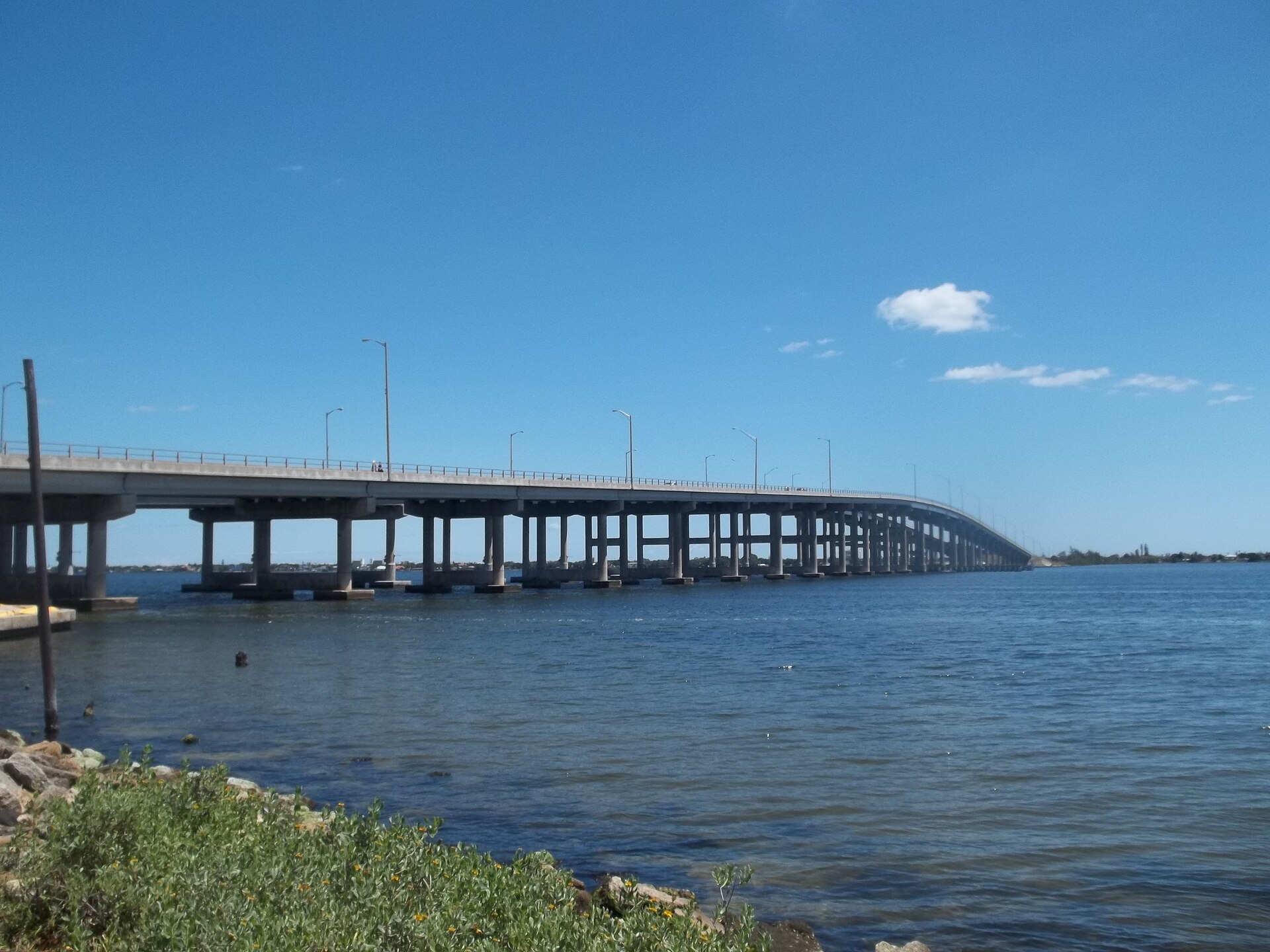
Before Melbourne was a citrus town it was a fishing town, and before the railroad arrived in 1893 the fishing was effectively the whole working economy beyond subsistence farming and the small-scale trading post Cornthwaite Hector ran from his house. The Indian River Lagoon at Melbourne was, by the 1880s, one of the most productive small-scale commercial fisheries in Florida. Mullet, sea trout, redfish, sheepshead, snook, and a half-dozen other species were caught in commercial volumes by nets, weirs, and rod-and-line. The fish were iced down, packed, and shipped first by water, then after 1893 by FEC railroad, to markets in Jacksonville and Charleston and eventually New York.
The fishing economy ran from roughly 1880 through the 1930s as a primary economic anchor, then continued through the 1990s as a secondary economic activity, then largely collapsed in the 1995 net-ban era and the post-2010 ecological decline of the lagoon. This article walks the working years.
The lagoon as fishery
The Indian River Lagoon’s productivity through the late nineteenth century is hard to overstate. The shallow brackish system, with mixed salinity zones, freshwater inflows, seagrass beds, and oyster reefs, supported enormous baitfish populations and the predator-fish populations that fed on them. Spanish explorers in the sixteenth century had noted the lagoon’s fish populations. Native Timucua and Ais cultures had worked the lagoon for thousands of years using fish weirs, traps, and nets.
For nineteenth-century commercial fishermen, the key target was mullet. Striped mullet schooled in enormous numbers, were easy to net, kept reasonably well on ice, and had a steady market demand in eastern cities for both flesh (smoked or fresh) and roe (a luxury export). Mullet was the cash crop. Other species (trout, redfish, snook) were secondary.
Through the 1880s and 1890s a typical Melbourne fishing operation looked like this: A two-person crew worked a shallow-draft Indian River skiff, twenty-five to thirty feet long, with a small auxiliary sail and oars. The crew used a haul-seine net, typically several hundred feet long, to encircle and beach mullet schools in shallow water. A successful set might yield several hundred to several thousand pounds of fish in one operation. The catch was iced on the boat (ice was barged in from northern suppliers) and run to a fish house at the creek mouth for grading, packing, and shipping.
The fish houses
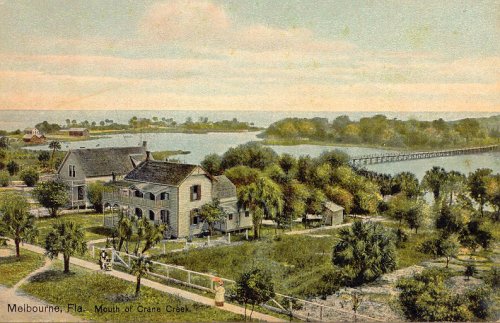
Melbourne had at least three fish houses operating at various times between 1885 and 1958. The largest was a frame building on the south bank of Crane Creek near the mouth, operating under various owners through the period. A typical fish house had ice storage, a grading area, a packing line, and a loading dock onto FEC freight cars after 1893.
The fish houses bought from the fishermen at standard daily prices set by the wholesale buyers (Jacksonville and New York markets, mostly). Prices were volatile. Mullet sold for $0.04 to $0.08 per pound through the 1890s; trout for $0.06 to $0.10; redfish higher. A two-person crew on a successful day might gross $20 to $40 (1890 dollars), of which roughly half went to expenses (ice, nets, boat upkeep, share to the boat owner if rented). A successful fisherman could clear $400 to $600 a year, comparable to a small farm income or a skilled trades wage.
The fish house economy was rough on workers. Long hours, weather exposure, intermittent income, hazardous conditions on the water. Many fishermen also farmed citrus or kept small subsistence plots to even out income. Some had non-fishing winter jobs as carpenters, ferry operators, or trading-post clerks. The fishing economy didn’t make anyone rich but it kept families in cash.
The railroad and the market expansion
The FEC’s arrival in 1893 changed Melbourne fishing economics fundamentally. Before the railroad, fish had to travel by boat to Jacksonville for transhipment north, with a transit time of 5 to 7 days. After the railroad, the same fish moved Melbourne to New York in about 4 days with much less spoilage risk.
The market expansion produced two effects:
1. Higher prices and larger volumes. The Melbourne fish houses could pay more per pound and ship more pounds. Annual catch volumes through the 1900s and 1910s rose substantially. Estimates from FEC freight records suggest peak annual Melbourne fish shipments of 500,000 to 800,000 pounds.
2. More fishermen and more capital intensity. The economic returns drew more workers and more capital into the industry. Fish-house operators upgraded their facilities. Some fishermen started running multiple boats with hired crews. The industry became somewhat more concentrated and somewhat more capital-intensive over time.
The 1920s and the relative decline
By the 1920s the fishing economy was no longer the dominant Melbourne economic sector. Citrus had grown faster (in the late 1910s and early 1920s, before the 1926 freeze and the broader Florida land bust). The 1925 causeway opening had started to bring tourism. The town was diversifying.
The fishing industry continued through the 1920s and 1930s at substantial volumes but as one sector among several. The Depression years compressed prices and volumes. WWII brought temporary recovery (wartime food demand pushed mullet prices up) and also took many fishermen into the military.
Through the 1950s and 1960s the fishing fleet shrank steadily. Increasing recreational use of the lagoon, growing tourism, and the postwar economic transition to aerospace and defense employment pulled labor out of fishing. By 1970 the Melbourne commercial fishing fleet was perhaps a dozen boats. By 1990 it was four or five.
The 1995 net ban
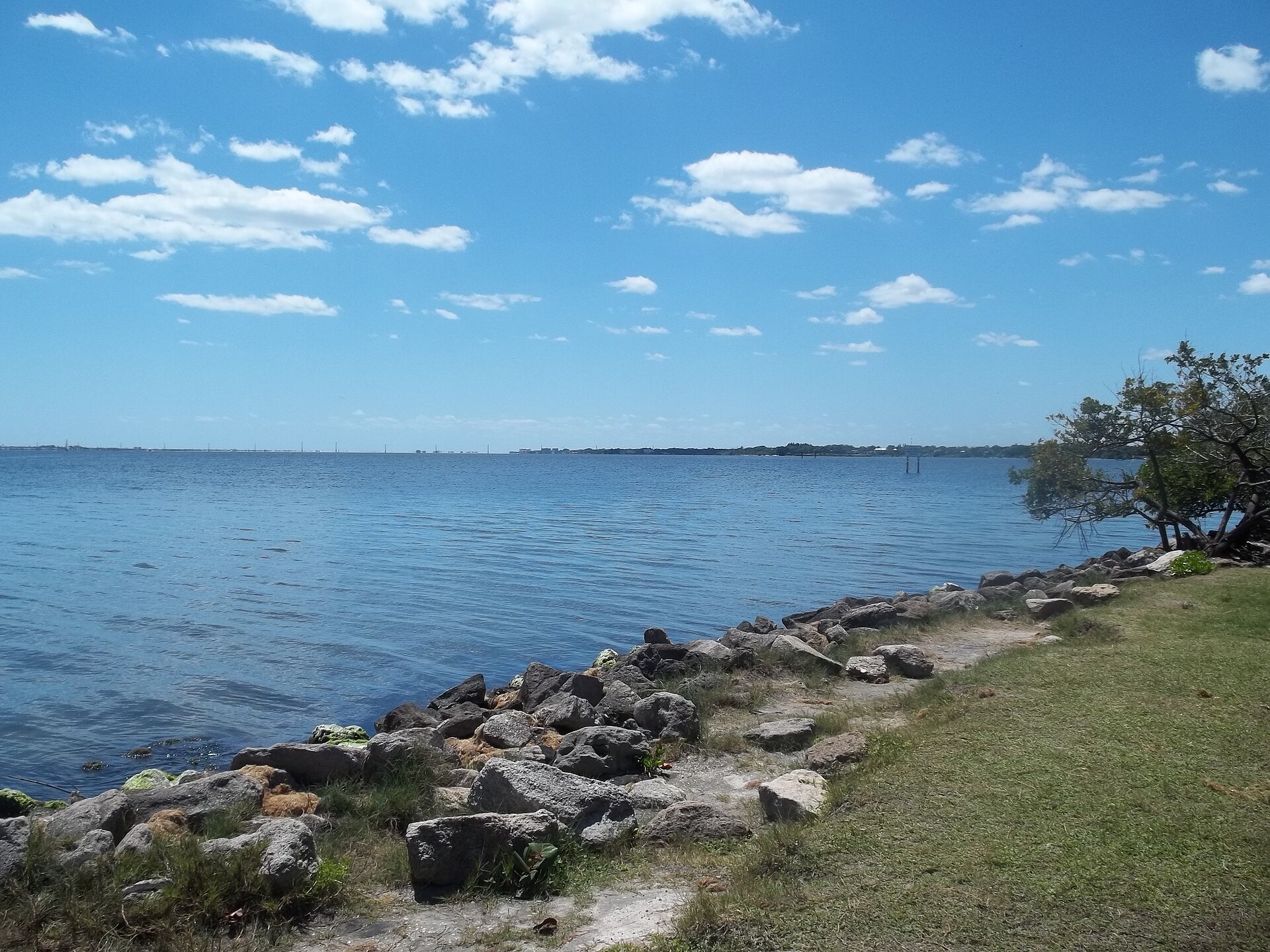
The end came faster than anyone expected. Florida voters in November 1994 passed a constitutional amendment banning the use of gill nets and other entangling nets in state waters. The ban took effect July 1, 1995. The amendment essentially eliminated commercial mullet fishing in Florida as it had been practiced for over a century.
The ban was supported by recreational fishing interests (who argued that commercial net fishing was depleting stocks) and opposed by commercial fishermen and their advocates. The political debate was bitter. The amendment passed with roughly 72% support statewide.
The economic effect on Melbourne was the final closure of what had been a marginal but persistent commercial fishery. The last full-time commercial mullet boats out of Melbourne ceased operations within a few years of the ban. A few cast-net mullet operations continued (cast nets were permitted under the new rules) but at much smaller volumes.
The post-2010 collapse
The 2009-2011 lagoon algal blooms and the subsequent seagrass collapse finished off the remaining fish populations as a working commercial resource. Even where commercial gear was legal, the catch was no longer available in volumes that supported a working fleet. By 2020 the Indian River Lagoon’s commercial fishery was essentially gone.
Recreational fishing continues. Charter operations still work the lagoon for sport-fishing customers. Trout and redfish populations have partially recovered in some areas. But the working fishing economy of 1880 to 1990 is gone, and not coming back.
What’s left
Cultural memory. A few historical markers. The Eau Gallie Yacht Club and the Melbourne Yacht Club preserve some of the small-boat history but as recreational, not commercial, institutions. The Brevard Museum of History and Natural Science in Cocoa has some artifacts. A handful of old fishing skiffs survive in private hands.
What’s not preserved: the actual working knowledge of how to seine mullet at scale, the fish-house operations, the ice supply chains, the wholesaler relationships. That knowledge died with the last generation of fishermen who used it. Some of the older men were still alive in the early 2000s and gave oral histories. Most are gone now.
Why the fishing era matters
Three reasons.
First, it built Melbourne’s first sustainable economic base. Citrus would have been impossible if early settlers couldn’t have fed themselves and earned cash during the lean years. The fishery did that.
Second, it shaped the working-class character of the town. Melbourne in 1900 wasn’t a wealthy resort town like Palm Beach. It was a working town where ordinary people worked hard for modest livings. That character persisted long after the fishery declined.
Third, it demonstrated what the lagoon could produce when it was healthy. The ecological collapse of the post-2010 lagoon is most easily appreciated against the productivity baseline of the 1900-era fishery. We know what a healthy lagoon supported because it supported the Melbourne fish economy for over a century.
Sources
- Florida Memory Project, Indian River fishing photographs and oral history collection, accessed 2026-01-23. https://www.floridamemory.com/
- Florida Fish and Wildlife Conservation Commission, “Florida Net Ban” and commercial fishery history, accessed 2026-01-23. https://myfwc.com/
- Florida Historical Quarterly, “Indian River Fishing in the Late Nineteenth Century,” various articles 1925-1980. https://stars.library.ucf.edu/fhq/
- Florida East Coast Railway freight records, Melbourne station shipments, accessed 2026-01-23.
- Florida Constitution, Article X, Section 16 (1994 net-limitation amendment).
- US Bureau of Commercial Fisheries, Florida east coast catch statistics, various years.
Further Reading
As an Amazon Associate we earn from qualifying purchases.